Español
Sign up for our email
OncoLink
  • Cancer Types

    Discover information about different types of cancer

      • Cancer Types
      • Blood Cancers Bone Cancers Brain Tumors Breast Cancer Carcinoid & Neuroendocrine Tumors Endocrine System Cancers Gastrointestinal Cancers Gynecologic Cancers Head and Neck Cancers Lung Cancers Lymphomas Metastatic Cancer
      • Multiple Myeloma OncoLink Vet Pediatric Cancers Penile Cancer Pheochromocytoma Prostate Cancer Sarcomas Skin Cancers Testicular Cancer Thymoma & Thymic Carcinoma Thyroid Cancer Urinary Tract Cancers
  • Patients

    Learn about cancer, diagnosis, treatment, coping & survivorship

      • Cancer Treatment
      • Bone Marrow Transplants Cancer Medications Clinical Trials Complementary and Alternative Medicine Gene & Immunotherapy Getting Cancer Treatment? Start Here! Hormone Therapy Hospital Helpers Interventional Specialties Procedures & Diagnostic Tests Proton Therapy Radiation Surgery Targeted Therapies
      • Risk and Prevention
      • Diet, Alcohol and Cancer Environmental and Occupational Exposures (UV Exposure, Radon, Radiation) Exercise, Body Weight and Cancer Genetics & Family History Medications, Health History and Cancer Risk Prevention & Screening Sexual History & Human Papillomavirus (HPV) Smoking, Tobacco and Cancer Reduce My Risk Tool
      • Support
      • Support for Adolescents and Young Adults with Cancer Caregivers Coping With Cancer Coping With COVID-19 Creative Inspiration Exercise & Cancer Grief and Loss Hospice and Palliative Care Insurance, Legal, Employment & Financial Concerns Managing Practical and Emotional Concerns Nutrition and Cancer OncoPilot: Navigating the Cancer Journey Sexuality & Fertility Side Effects Survivorship OncoLife
  • Healthcare Professionals

    Find resources & tools for oncology healthcare professionals

      • Healthcare Professionals
      • Build My Patient Treatment Binder OncoLink Rx Oncolife Survivorship Care Plan OncoLink Rx Regimen Printer Smart ALACC Care Plan CAncer Teaching Tool (CATT)
      • Distress Screening Response Tools (DSRT) OncoLink Oncology Social Work Learning Academy (OOSWLA) OncoLink API OncoLink University O-Pro: Portal for Oncology Professionals Trauma Informed Care (TIC) Penn Radiation Medicine Institute (PRMI)
  • Sign up for our email
  • Español

What are you looking for today?

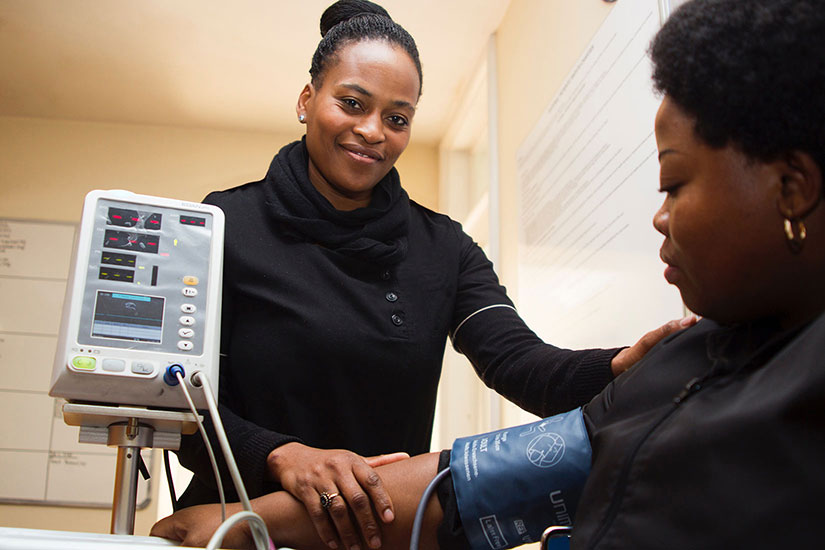
A healthcare provider is taking a patient's blood pressure and other vital signs

For Patients

Getting Treatment

Find the information and support you need.

Newly Diagnosed?

Use our guide to help navigate the cancer journey.

For Providers

Distress Screening Response Tools

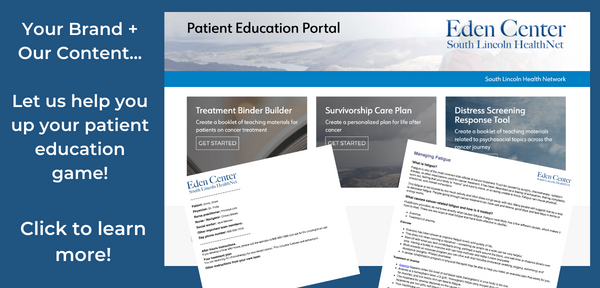
Customize a packet of emotional and practical information.

Build a Treatment Binder

Customize a packet of education materials for your patient.

A healthcare provider is talking to a patient

Education & Planning

Create a cancer survivorship care plan

Learn how to reduce your cancer risk

What's New

What's New

March is National Nutrition Month!

Nutrition is an important piece of cancer treatment and supportive care. Visit the Nutrition Nuggets blog for helpful videos and articles. Learn more about nutrition during and after treatment, find healthy recipes, and watch helpful webinars to support your nutritional needs during and after cancer.

Stay up to date with oncolink


Receive the latest resources and updates in your inbox.

OncoLink
  • About OncoLink
  • Partner with OncoLink to Support Your Work
  • Mission Statement
  • OncoLink Editorial Board
  • Contact Information
  • Privacy Statement
  • Use of the OncoLink Site and Content
  • Giving to OncoLink

All content © 2026 Trustees of the University of Pennsylvania. All rights reserved.
  • Terms and Conditions
  • | Privacy Policy

OncoLink is designed for educational purposes only and is not engaged in rendering medical advice or professional services. The information provided through OncoLink should not be used for diagnosing or treating a health problem or a disease. It is not a substitute for professional care. If you have or suspect you may have a health problem or have questions or concerns about the medication that you have been prescribed, you should consult your health care provider.


Information Provided By: www.oncolink.org | © 2026 Trustees of The University of Pennsylvania